
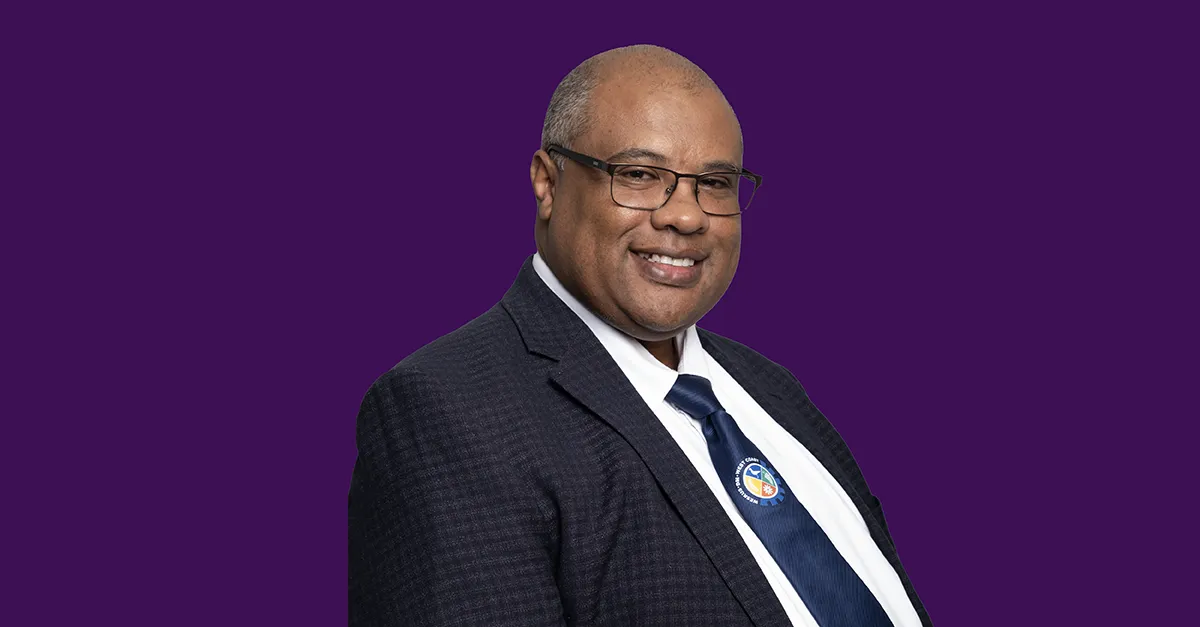
With president Cyril Ramaphosa amplifying the call for ‘decisive’ action to turn around dysfunctional municipalities, Weskus Municipal Manager David Joubert emphasises the need for extended change management.
“What needs to happen administratively is known. We can talk about professionalising administration, including the adaption of new and enabling technology; a revised service model; a simplified governance structure, and a reformed fiscal framework as main headers, each with its own complexities. But how do we change ingrained behaviour, culture, capabilities, and attitudes? It requires deep change, and frequent monitoring and tracking. Change management must be managed like any large project”.
As local government increasingly engages with the private sector, local government can learn how industry leaders manage sharp and definitive change.
“Legislation and regulations are already in place, and the job is to get managers and officials to adhere. It is no small matter, but this can be done through intensive training, enabling technology, integrity and skills – all underpinned through the persuasion of performance management. But with municipalities needing to play a greater role in a region’s economic development, a shift in employees’ mindsets is essential”.
Arguably, the biggest change will be around culture.
“The notion of being a ‘servant leader’ is understood and currently drives municipalities. It talks to listening, caring, empathy, foresight, and awareness. If municipalities must stretch towards what South Africa needs, traits such as innovative, inquisitive, dynamic, decisive, and fast-moving must be added. You’re looking at a culture shift and extended leadership skills”.
The shift to ‘tomorrow’ is already unfolding in several top municipalities. For the dysfunctional municipalities seeking turnaround, a cultural change should form part of administrative improvement.
David Joubert
Municipal Manager
Weskus Distrik.


