
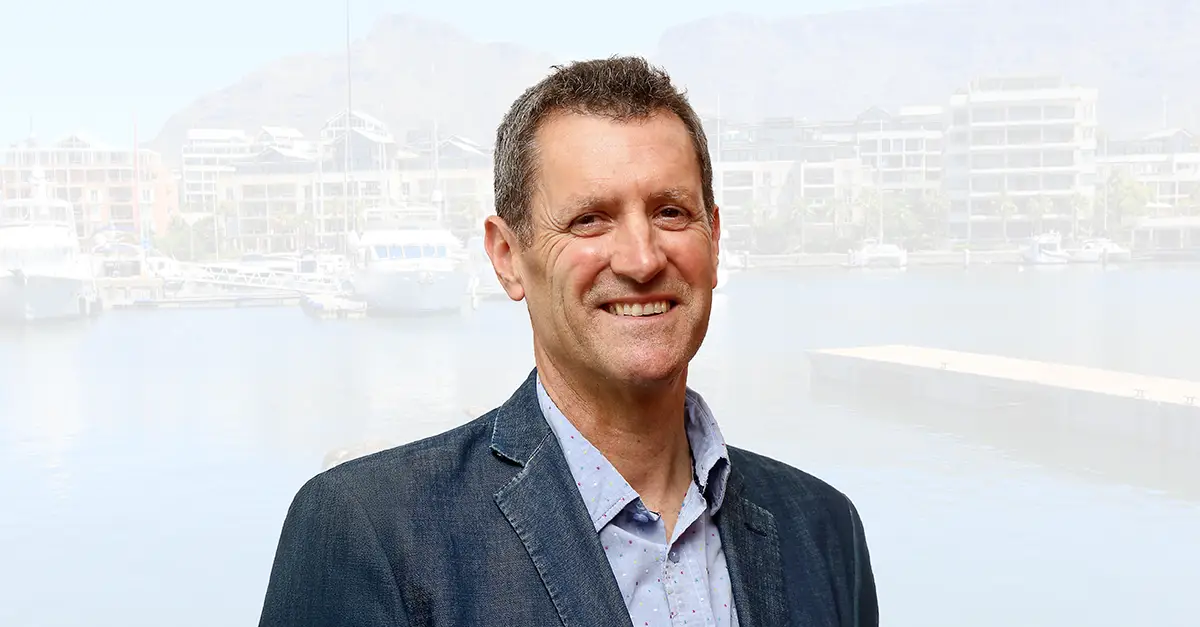
Cape Town has many attractions and has developed into a world-renowned international city. It attracts much attention due to its natural beauty, and favourable geography that promotes an attractive lifestyle. This has promoted industries such as tourism, technology entrepreneurship, movie production, agricultural products, and the like. It is a world-renowned focal point that demands all the attention and can cast a shadow over neighbouring regions. What do they do to step out from this shadow?
Complimentary rather than competitive.
To attract private sector investment a neighbour such as the West Coast must shift from being just a “neighbour” to a strategic extension of that hub. To do this successfully it must focus on being complementarity rather than competitive. How does one do this? By bringing two areas into focus. Firstly, what are private investors looking for in this regard and, secondly, what does the region have to offer. The answer lies in those aspects that feature in the answers two both questions.
Investors are often looking for lower costs, niche markets, infrastructure and connectivity, sustainable energy supply, expanded capacity, and a lifestyle that the main city cannot provide, and a gateway to markets that offer second tier experiences.
Unique experiences.
The West Coast already meets many of these requirements due to its unique geography, port and road infrastructure, green energy potential and its Industrial Development Zone. Langebaan is well-known as a wind and water sport mecca due to its lagoon. As a result, it can already lay claim to offer “only found in” experiences. The region also has easy access to the West Coast National Park (particularly during the wildflower season) and similar game viewing experiences, and relaxed living conditions removed from the hustle and bustle of Cape Town. Furthermore, the Swartland and West Coast wine regions are an attraction with its variant terroir, that offer experiences different from the vineyards of the Western Cape.
Alternative work and lifestyle.
The Covid-19 pandemic created a significant alternative to how many people live and work. It made locality less important for many businesses and arguably gave birth to the concept of the ‘digital nomad’. What such people are looking for is an alternative lifestyle in unique locations that has excellent infrastructure and connectivity. The West Coast has much to offer such migrants looking for a unique and alternative location.
Gateway to a unique region.
The ‘alternative’ or ‘green’ energy revolution is also on in which the West Coast is well endowed. Solar, wind and wave energy have all become viable sources of energy. The liberalisation of energy generation in South Africa therefore offers much potential for private investment in the region.
Other potential attractions that could be added with the assistance of the private sector are medical tourism facilities, ship repair facilities as these facilities in the port of Cape Town cannot cope with demand, educational infrastructure and fishing experiences. These can position the region as a “Gateway” to a different kind of living in a unique region. Development in this regard will give rise to increased interest from property developers in respect of hospitality, medical, office, retail and residential assets. In addition, various small to medium size businesses will be established or will invest in the region to supply support services to these developing industries.
Incentives to invest.
For such initiatives to be successful they must be supported by local and national government such as incentives to invest in the region. Many of these incentives exist but are fractured making it extremely difficult for the private sector to find out all that is on offer. An office through which potential investors can learn of the opportunities available in the region and the incentives that are on offer will promote a better understanding of the opportunities. They can include access to public-private partnerships in respect of the development of state or local government assets such as nature reserves and port facilities.
William Marais
Mettle Corporate and Specialised Finance
BA,.LLB (cum laude), Hons B.Com (Financial Management), Grad Dip(Taxation).


